flavoured oil · recipes · quick cooking
Sicilian flavoured extra virgin olive oils: the secret to enriching any recipe in one gesture
Four flavoured extra virgin olive oils — lemon, rosemary, mandarin and carob — and dozens of ways to turn a simple dish into something memorable, in under thirty seconds.
There is a moment in every recipe when everything is decided: the last thirty seconds. The pasta is drained, the fish is plated, the soup is steaming in the bowl. That is where a flavoured extra virgin olive oil makes the difference between a dish that is merely correct and a dish people remember. No marinating, no reduction, nothing to chop: a drizzle of oil over the finished plate, and the aroma does the rest.
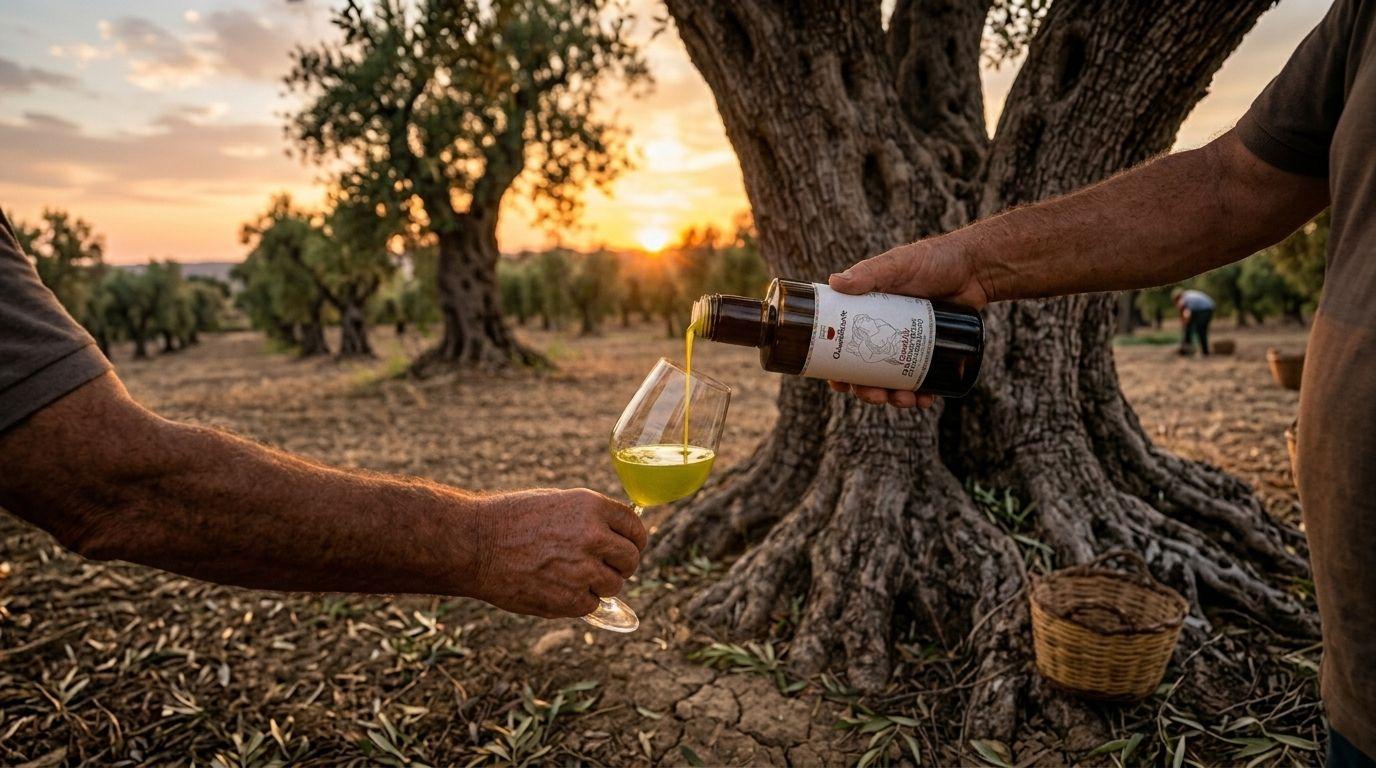
Our four flavoured oils — lemon, rosemary, mandarin and carob — all start from the same base: organic extra virgin olive oil from our hills in the Hyblaean mountains, cold-processed with natural essences from the territory. No synthetic flavourings, no "oil-flavoured product": the citrus and the herbs are the real thing, harvested in Sicily.
Why flavoured oil is the fastest ingredient there is
A quality flavoured oil condenses two steps into one: the fat that carries flavour and the aroma itself. That is why it works so well in everyday cooking:
- Zero preparation: nothing to chop, peel or grate. You pour.
- Precise dosing: intensity is adjusted by the drop, not by the spoonful.
- Always ready: you may run out of lemons; a 250 ml bottle covers dozens of dishes.
- Best used raw: added at the end of cooking, the aroma stays intact — and so do the polyphenols.
There is only one golden rule: use it raw, or nearly so. Prolonged heat disperses the essential oils of the infusion. Always the last gesture before bringing the dish to the table.
Lemon oil: the all-rounder for sea and garden
Fresh and lively, our Lemon Oil is born from the cold infusion of fully ripened Sicilian lemons. It is the most versatile of the four.
Where it shines:
- Baked or grilled fish: a drizzle over sea bass straight from the oven replaces the classic "squeeze of lemon" without softening the crispy skin.
- Carpaccio and raw dishes: swordfish, red prawns, but also courgette carpaccio with pecorino shavings.
- Spaghetti aglio e olio... with lemon: same technique, surprising result. Toss off the heat with a generous dose of lemon oil.
- Pulse salads: chickpeas, cannellini beans and red onion change register with two tablespoons of lemon oil and a grind of pepper.
- Roast chicken: drizzled at the end of cooking, it brings back the freshness the oven dried out.
Rosemary oil: roast flavour without the roast
Herbaceous and aromatic, our Rosemary Oil is made with hand-picked wild rosemary. It is the oil that gives any dish the character of a country kitchen.
Where it shines:
- Oven-roasted potatoes: dressed raw just out of the oven, they smell as if the rosemary had been there from the start — without the burnt needles.
- Focaccia and rustic bread: a swirl of oil over the surface before serving, or a small bowl for dipping.
- Pulses and soups: ribollita, lentil soup and chickpea cream practically beg for it.
- White and red meats: over a sliced steak or grilled chicken breast, instead of the usual decorative sprig.
- Eggs: two fried eggs with rosemary oil and toasted bread are dinner, solved.
Mandarin oil: the citrus you don't expect
Our Mandarin Oil captures the intense fragrance of Ragusa mandarins, in a sweeter, rounder version than lemon. It is the oil that always intrigues guests.
Where it shines:
- Winter salads: fennel, oranges, black olives and mandarin oil — a Sicilian classic, rewritten.
- Fresh cheeses: ricotta, burrata and goat cheese are lifted by a few drops and a grind of pink pepper.
- Shellfish: grilled prawns and langoustines find their natural counterpoint in the sweet citrus.
- Desserts: yes, desserts. A madeleine, a ricotta tart or even vanilla ice cream with a thread of mandarin oil become signature pâtisserie.
- Risotto: finished with mandarin oil and red prawns, it is a restaurant dish in twenty minutes.
Carob oil: the most Sicilian of them all
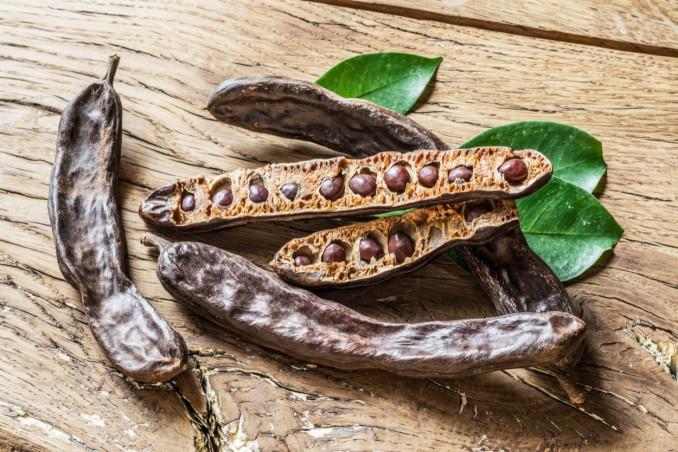
Sweet and velvety, our Carob Oil carries notes of cocoa and dried fruit, from the tree that is the symbol of the Hyblaean plateau. It is the least known of the four — and the one that surprises the most.
Where it shines:
- Aged cheeses: over a pecorino or a Ragusan caciocavallo, instead of honey.
- Pumpkin and sweet vegetables: pumpkin velouté, roasted carrots, caramelised onions.
- Game and pork: the cocoa notes bind beautifully with dark meats and pan juices.
- Spoon desserts: panna cotta, fior di latte ice cream, sweetened ricotta with a thread of carob oil and chopped almonds.
- Bread and chocolate 2.0: warm toasted bread, carob oil, a pinch of salt. Try it once and you are converted.
Three rules to get it right
- Raw, always: the aroma lives in the essential oils, which heat disperses. Add off the heat or directly on the plate.
- A little at a time: a flavoured oil should accompany, not cover. Start with a teaspoon and taste.
- Don't mix aromas: one flavoured oil per dish. Lemon and rosemary together cancel each other out instead of adding up.
A pantry that smells of Sicily
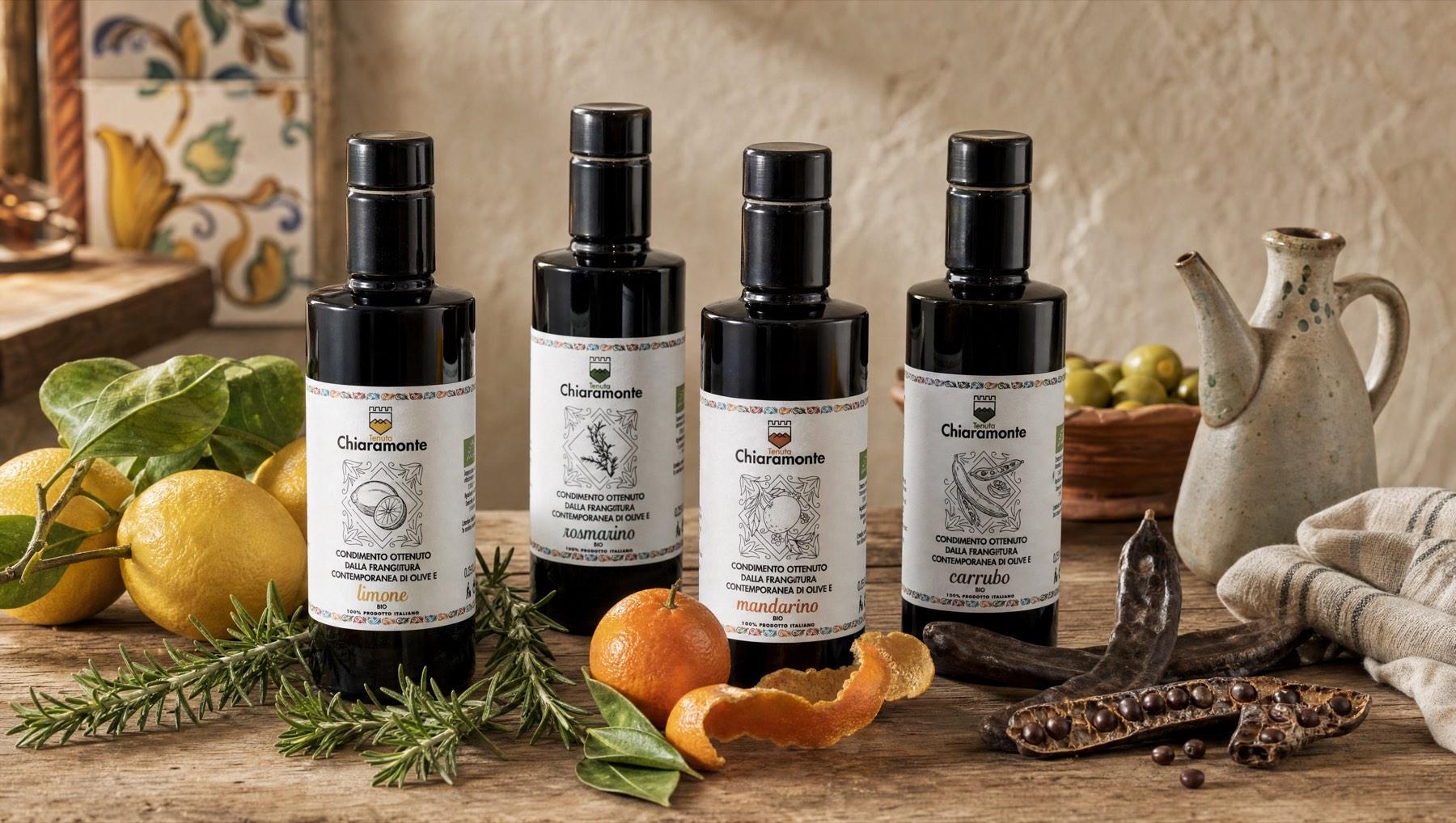
Four 250 ml bottles take up the space of a box of pasta and cover practically every dish of the week: lemon for fish and salads, rosemary for the oven and soups, mandarin to surprise, carob for cheeses and desserts. A small cellar of aromas, ready to use, that brings our hills straight to the plate.
Read also
- Sicilian Extra Virgin Olive Oil: the complete guide
- How to recognise a genuine extra virgin olive oil
Our flavoured extra virgin olive oils — lemon, rosemary, mandarin and carob — are made with organic olives and natural Sicilian essences, available in our online shop with shipping across Italy and Europe directly from Tenuta Chiaramonte in the province of Ragusa.