carob · products · guide · ragusa
The Sicilian carob: oil, balsamic, chocolate and the properties of the Hyblaean fruit
The carob is the most Ragusan tree there is: it grows next to the olives, asks for no water and gives a fruit that is sweet, caffeine-free and full of fibre. Here is how we work it at the estate and how to use it.
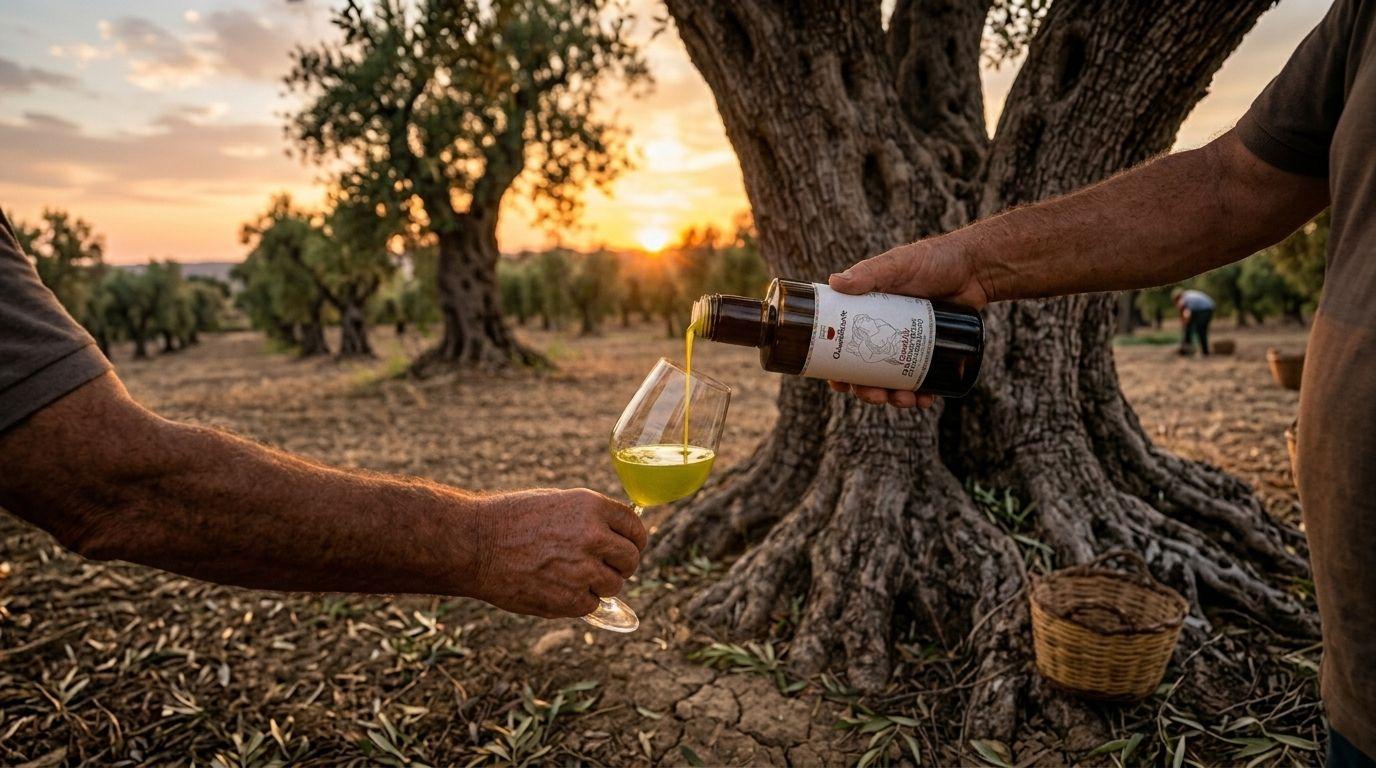
Anyone arriving in the province of Ragusa notices two trees straight away: the olive and the carob. They often stand together in the same field, separated by dry-stone walls. Everyone knows the olive. The carob far fewer, and yet it is the emblem of the Hyblaean hills: the province of Ragusa produces most of Italy's carobs, and at Tenuta Chiaramonte the century-old carob trees have always stood beside the sixteen thousand olives.
This guide explains what carob is, what properties it really has and how it is used in the estate's four carob products.
What the carob tree is
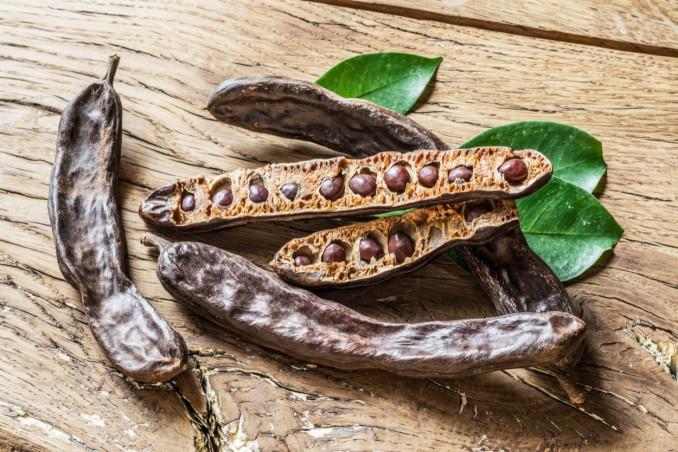
The carob (Ceratonia siliqua) is a Mediterranean evergreen that lives for hundreds of years, withstands drought and grows on poor, limestone soils like those of the Hyblaean hills. The fruit is a brown pod 10-20 cm long, ripening between August and September: inside is a sweet pulp and a few very hard seeds.
The pulp, dried and ground, is carob flour: sweet, with a flavour reminiscent of cocoa and caramel, but without any cocoa. For centuries in Sicily it was the poor man's sugar, animal feed and, in times of famine, bread. Today it is back for the opposite reasons: it is a natural sweetener, free of caffeine and theobromine, rich in fibre.
The seed and the carat
Carob seeds have a curious feature: they all weigh roughly the same, around 0.2 grams. That is why in antiquity they were used to weigh gold and precious stones. In Arabic the seed is called qirāṭ, from the Greek kerátion: that is where the word carat comes from, and it is still worth 0.2 grams today. It is no coincidence that the estate's evening space is called Qirat.
Properties of carob
Without exaggerating and without promising miracles, carob has some genuine nutritional characteristics:
- Caffeine-free and theobromine-free: unlike cocoa, it suits anyone who has to avoid them (children, pregnancy, individual sensitivities).
- High in fibre: the pulp contains a high share of soluble and insoluble fibre, with a satiating effect.
- Naturally sweet: the pulp contains natural sugars, so it sweetens without added sugar.
- Low in fat: carob flour has very little fat, far less than cocoa.
- A source of minerals: calcium, potassium and magnesium in appreciable amounts.
Traditionally it was also used as a gentle remedy for the stomach. It is not a medicine: it is a good fruit, with an interesting nutritional profile for anyone who wants the taste of cocoa without the cocoa.
Our carob products
At the estate we work carob in four ways, all in the online shop.
Extra virgin olive oil with carob
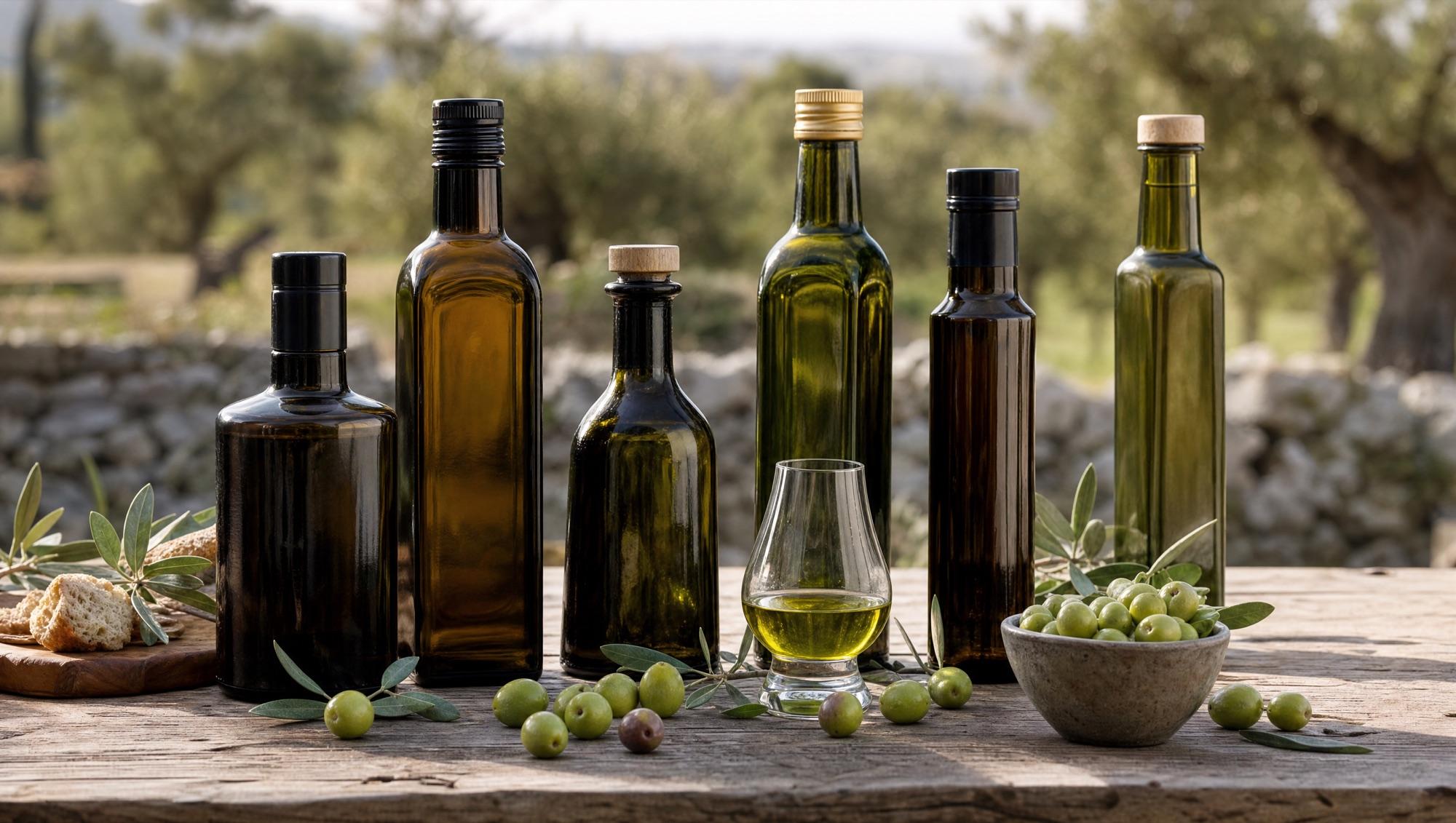
Carob Oil is our organic extra virgin flavoured with Hyblaean carob: sweet and velvety, with notes of cocoa and caramel over the fruitiness of the olive. It is the most Sicilian flavoured oil we make, and the most surprising: it goes on aged cheeses in place of honey, on pumpkin and sweet vegetables, on dark meats and on spoon desserts. A 250 ml bottle, 10 euros. You will find the full pairings in our article on flavoured oils.
Carob balsamic
Carob Balsamic is a sweet-and-sour condiment, dense and complex, made from carob: use it like a balsamic vinegar, a few drops at a time, on cheeses, carpaccio, strawberries, ice cream, grilled vegetables. It is the most versatile of the four and the gift that always works.
Carob and hazelnut spread
The Carob and Hazelnut Spread is the Sicilian alternative to cocoa spread: carob and hazelnuts, sweet and velvety, caffeine-free. On bread at breakfast, in cakes, or straight from the spoon.
Modica chocolate with carob
Modica Chocolate with Carob brings together two Hyblaean symbols: Modica PGI chocolate, cold-worked and grainy, and carob flour. Sweet, toasted, with the unmistakable texture of Modica chocolate.
Using carob flour in the kitchen
If you buy pure carob flour, three rules:
- It replaces cocoa one to one, but it is sweeter: reduce the sugar in the recipe by about a third.
- No need to toast it, it is already toasted during drying.
- It absorbs more liquid than cocoa: in cakes add an extra tablespoon of milk or water.
Simple recipes: carob biscuits, carob bread (a tablespoon of flour in the dough), hot carob milk instead of hot chocolate, a teaspoon in sweetened ricotta.
When it is harvested
The carob harvest in the Hyblaean hills runs from late August to September: the branches are beaten with canes and the pods gathered from the ground, exactly as a hundred years ago. Visitors to the estate in September, during our experiences or the evenings at Qirat, see them piled under the trees.
Read also
- Sicilian flavoured oils: quick recipes
- Qirat: summer evenings among the olive trees
- DOP Monti Iblei extra virgin olive oil
Tenuta Chiaramonte's carob products, oil, balsamic, spread and Modica chocolate, are available in the online shop with shipping across Italy and Europe directly from the estate in Ragusa.