dop · monti-iblei · guide
A Guide to DOP Monti Iblei Extra Virgin Olive Oil: cultivars, flavours, pairings
What truly makes a DOP Monti Iblei extra virgin olive oil unique? Cultivars, terroir, process and how to recognise quality in the bottle.
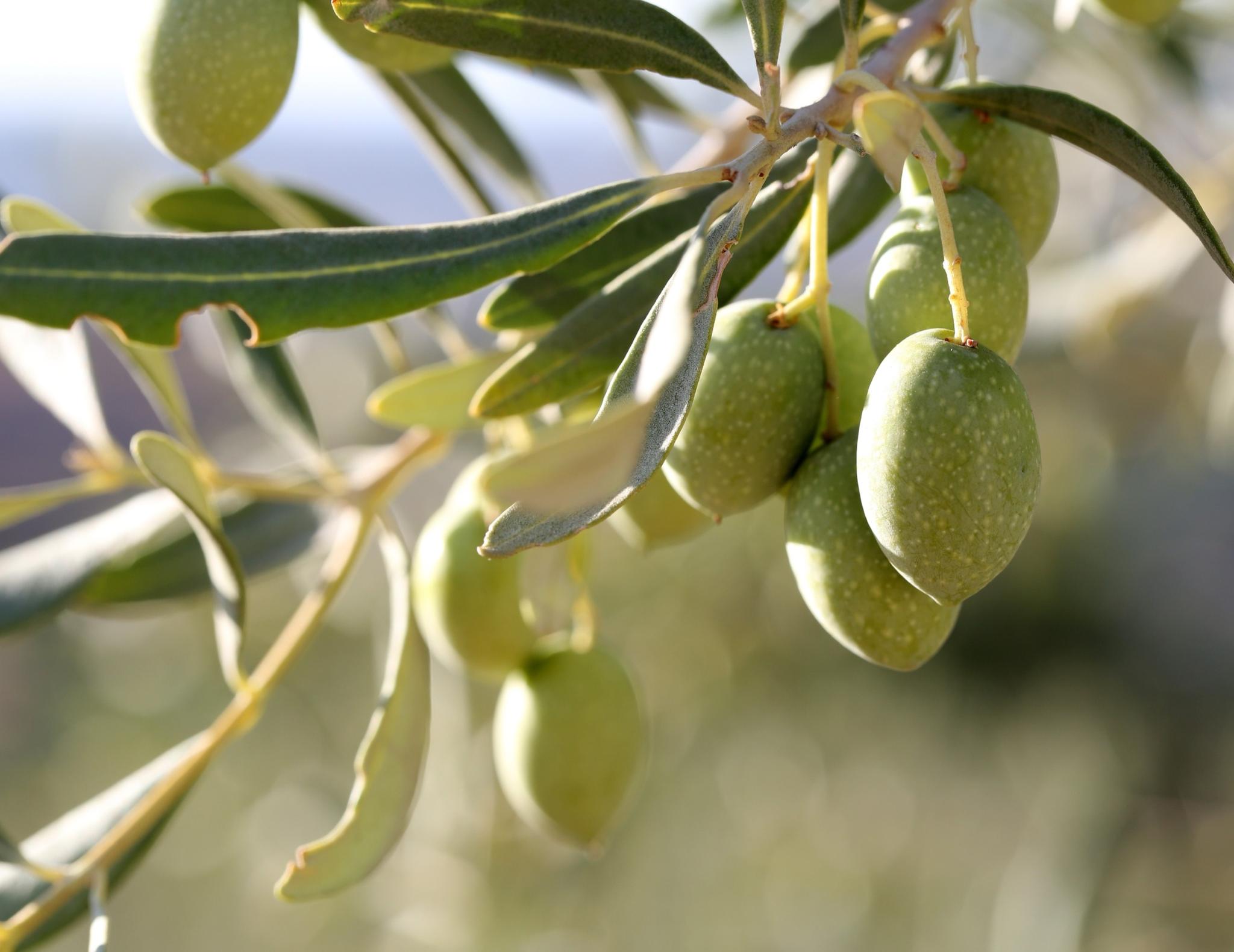
DOP Monti Iblei extra virgin olive oil is one of Sicily's most under-told treasures. It safeguards a precise area — the Iblean plateau across the provinces of Ragusa, Syracuse and Catania — and is born from native cultivars such as Tonda Iblea, Moresca and Verdese. It's not a marketing label: it's a strict specification linking the oil to its territory, agricultural practices and measurable analytical parameters.
In this guide we look at what "DOP Monti Iblei" really means, how the sub-zones differ, how to read the label, and how to pair each profile at the table.
What DOP Monti Iblei means
DOP stands for Protected Designation of Origin. It's a European recognition that ties a product to a specific geographical area and a production specification. For oil this means:
- The olives must be grown within the designated DOP area
- Only historically present cultivars are permitted
- Cold extraction must occur within set times and temperatures
- The oil must pass chemical analyses (free acidity, peroxides, polyphenols) and a sensory evaluation by a certified panel
Without all these requirements, the oil cannot bear the DOP seal.
The sub-zones: where terroir changes within a few kilometres
DOP Monti Iblei is divided into eight official sub-zones, each with its own character. The three most relevant for premium production are:
Gulfi
A sub-zone in the province of Ragusa, considered the cradle of Tonda Iblea. Intense profile, marked green-fruited notes, tomato leaf and almond, decisive but balanced bitterness and pungency. It's the profile of our Il Distinto, a Tonda Iblea monocultivar.
Valle Irminio
South-eastern Ragusa, where Moresca dominates. A rounder, softer oil — medium fruitiness, herbaceous and artichoke notes, harmonious finish — perfect for those seeking a versatile EVO, like Il Galante.
Monte Lauro
Central Iblean area, around the eponymous mountain. Cultivar blends, variable profiles, generally well balanced.
The three historic cultivars
| Cultivar | Profile | Dominant notes |
|---|---|---|
| Tonda Iblea | Intense, structured | Green tomato, fresh almond, artichoke |
| Moresca | Medium, harmonious | Aromatic herbs, ripe almond |
| Verdese | Light, refined | Fresh grass, raw artichoke |
The difference isn't marketing: tasting them in succession is like moving from Sangiovese to Pinot Noir. Same family (the olive tree), profoundly different profiles. We compared them in our guide to the three Sicilian cultivars.
How to read the label of an authentic DOP
When you buy DOP Monti Iblei oil, look for these elements:
- EU DOP seal in yellow and red, with a unique code
- Sub-zone declared (e.g. "Gulfi", "Valle Irminio")
- Cultivars stated — if monocultivar, the label says so
- Free acidity ≤ 0.4% (the specification allows up to 0.5%, the best stay below)
- Harvest year — not just the bottling date
- Lot number traceable down to the individual grove
Be wary of labels that just say "Sicilian DOP oil" without specifying area and cultivar: it's almost always an industrial blend.
Acidity, polyphenols, peroxides: what really matters
Three key parameters declared in lab analyses:
- Free acidity (% oleic acid): an index of olive quality and extraction promptness. Below 0.3% is excellent.
- Total polyphenols (mg/kg): the natural antioxidants. A high-quality EVO contains 350–700 mg/kg. They are what you taste as bitterness and pungency.
- Peroxide value: indicates oxidation. Lower is better (legal limit 20; premium oils stay below 8).
A truly fine oil declares these numbers on the label or in its technical sheet. If you can't find them, that's a signal. To read them without mistakes, see our guide to acidity, polyphenols and peroxides on the label.
Pairings at the table
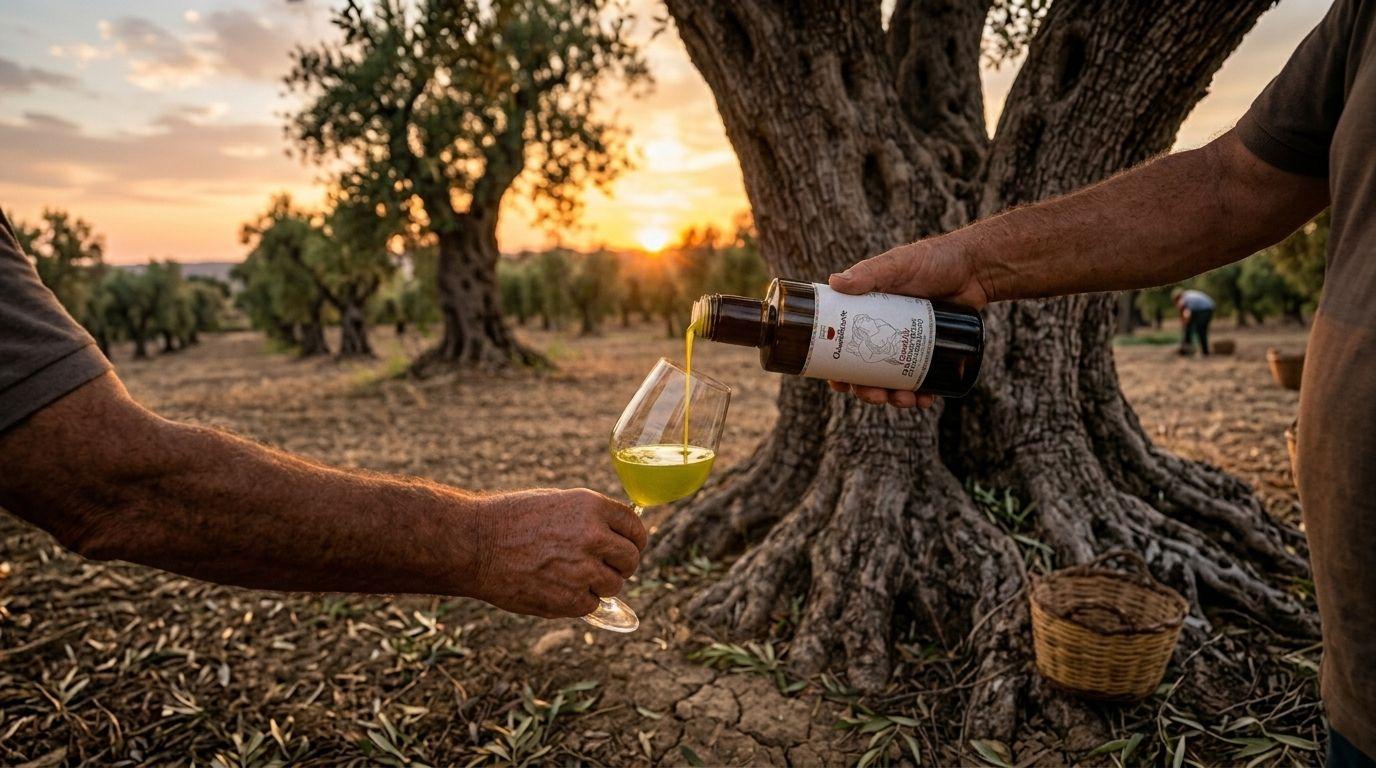
A DOP Monti Iblei EVO is not "oil to dress with": it's an ingredient with personality. Guidelines:
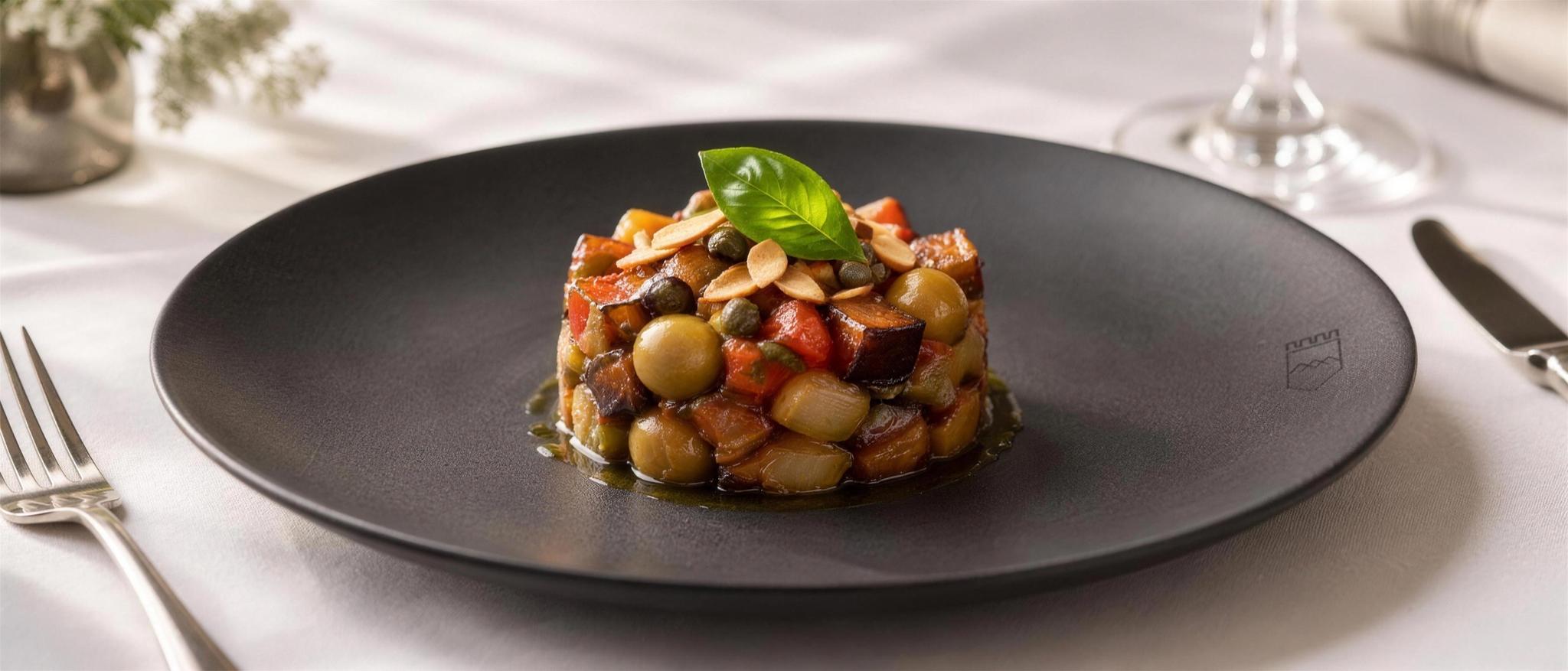
- Intense Tonda Iblea → bruschetta, oily-fish carpaccio, legume soups, grilled meats. Never cook with it — you'd lose the aroma.
- Medium Moresca → tomato pasta, cooked vegetables, white meats, focaccia.
- Light Verdese → delicate fish, leafy salads, fresh cheeses.
Golden rule: cold, at the end of cooking. Always add a drizzle to the finished dish so as not to lose the polyphenols.
Storage: common mistakes to avoid
EVO oil is a living food. It oxidises with light, heat and oxygen. To preserve it:
- Dark bottle (not transparent)
- Away from heat sources (never above the oven or near the hob)
- Cap always closed — air is the first enemy
- Consume within 18 months from harvest, ideally within 12
Stored well, the fruity bouquet grows in the first weeks after bottling, then stabilises, then slowly declines.
Why a DOP costs more
A 500ml bottle of true DOP Monti Iblei sits between €14 and €25. That seems a lot compared to a supermarket oil at €6. The technical reasons:
- Low yield per hectare: century-old trees produce 30–50% less than commercial varieties
- Hand-harvest or comb-harvest to avoid bruising the olives
- Extraction within 6 hours of harvest — requires nearby mills
- Manual selection of the olives before milling
- Recurring certifications and analyses (DOP, BIO, panel test)
You're paying for real work, not for industrial margin.
In summary
An authentic DOP Monti Iblei oil gives you three guarantees:
- Certified origin — you know exactly where it comes from
- Measurable technical quality — acidity, polyphenols, panel test
- Varietal identity — native cultivars, not industrial blends
If you're looking for an everyday cooking oil, a good organic one will do. If you want an ingredient that tells the story of Sicily in every drop, DOP is the right choice.
Read also
- Tonda Iblea, Moresca, Verdese: three cultivars compared
- Reading the oil label: acidity, polyphenols, peroxides
- Sicilian Extra Virgin Olive Oil: the complete guide
Want to taste an authentic DOP Monti Iblei? Discover Il Distinto, our Tonda Iblea monocultivar awarded Tre Foglie Gambero Rosso 2025. Our other oils, including Il Primizio IGP Sicilia and L'Amabile, are compared on our Sicilian extra virgin olive oil page.