new-olive-oil · harvest · guide
New olive oil (olio novello): what it is, when it comes out and how to recognise it
Green, fragrant, peppery in the throat: new olive oil is extra virgin olive oil in its first weeks of life. Here is what makes it special, when it arrives and how to choose it without being fooled by its colour.
Every autumn, when the olives reach the mill, there is a moment olive oil lovers wait for all year: the first taste of new olive oil, which Italians call olio novello. Green, intense, with a peppery sting that lingers in the throat, it is extra virgin olive oil in its first weeks of life, and it has a character that no oil a few months old can match.
But what exactly is new olive oil? When does it come out? And how do you recognise a good one, beyond its colour? Let's clear things up.
What new olive oil is
New olive oil and olio novello are two names for the same thing: extra virgin olive oil from the season that has just ended, milled and put on sale in the weeks after the harvest.
It is not a legal category of its own: a new oil must meet the same requirements as any extra virgin olive oil (acidity within the limits and no defects on tasting). What sets it apart is freshness. In its first months the oil expresses its aromas and its bitter and peppery notes at their peak; then, over time, it becomes softer and rounder.
It is a bit like freshly baked bread: the same loaf is still good the next day, but it is not the same experience.
When new olive oil comes out
It depends on the area and on the season. In most of Italy the harvest takes place between October and December, and new oil reaches the table from late October.
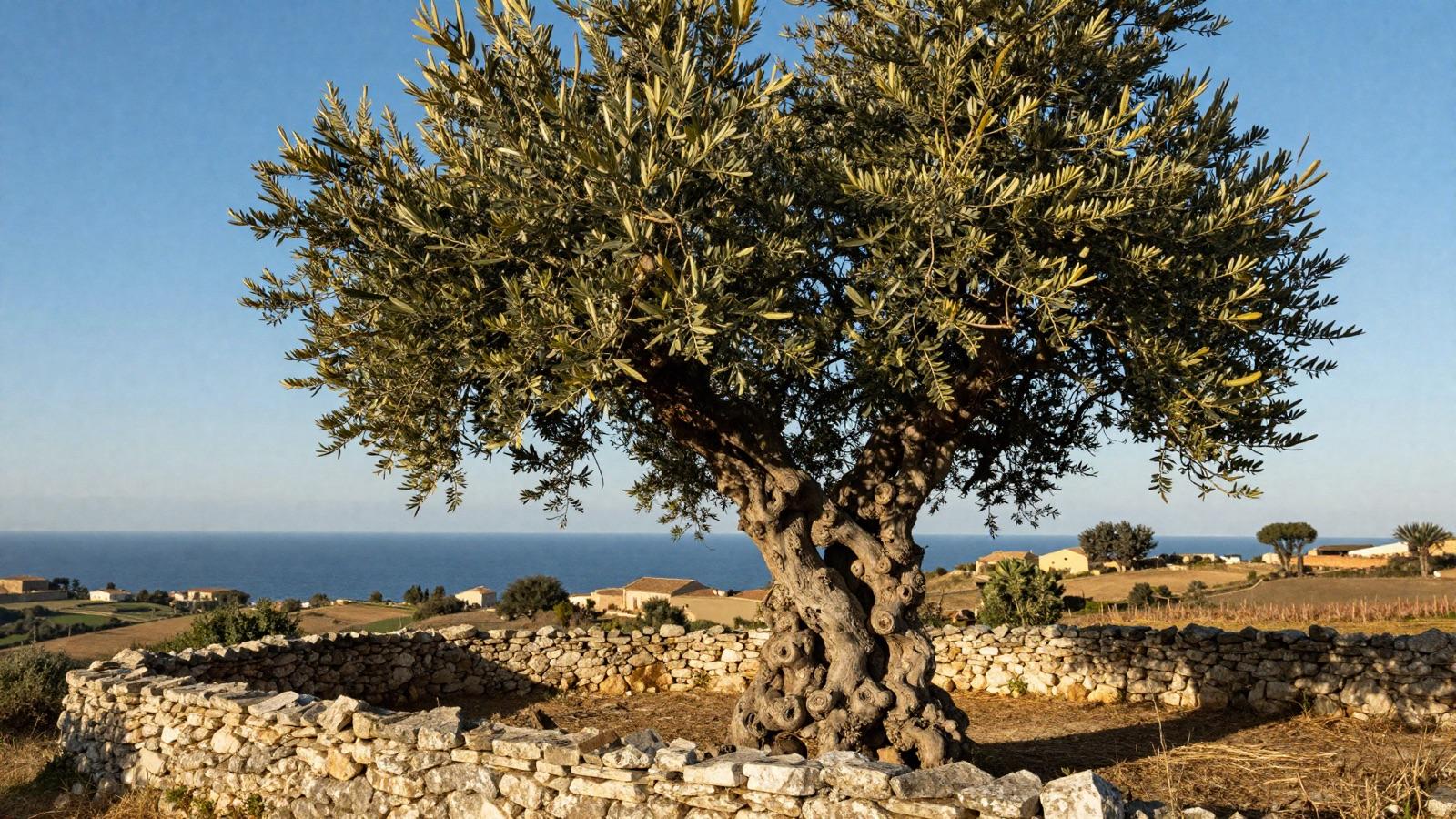
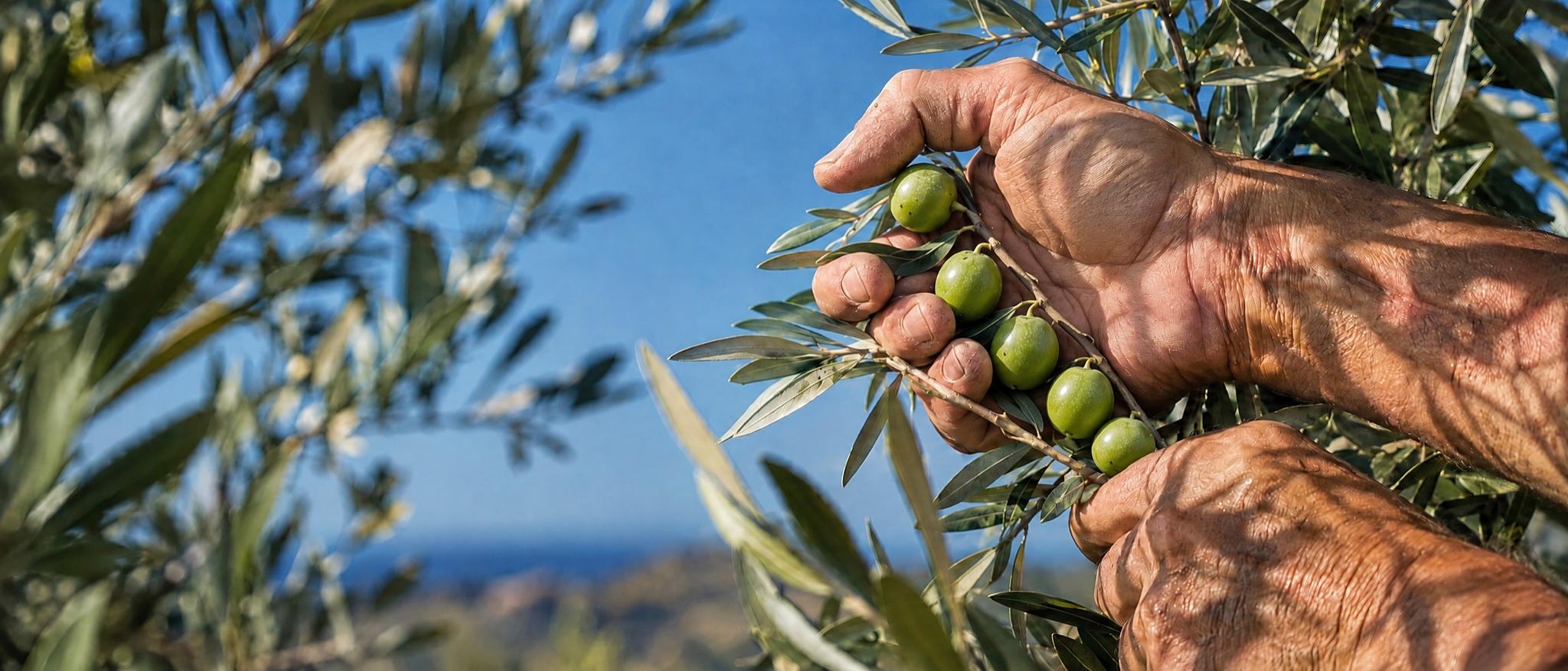
On the Monti Iblei, in south-eastern Sicily, the harvest starts in autumn and the olives are taken to the mill the same day, because an olive that waits days before milling loses aroma and quality. That is why oil from the new season is available in the first weeks of the harvest: on our new olive oil page you will find the oils of the latest harvest, always with the season stated.
Why new olive oil is bitter and peppery
It is the most common question, and the answer surprises those used to supermarket oils: bitterness and pepperiness are qualities, not defects.
These sensations come from polyphenols, natural antioxidants found in olives. They are more abundant in freshly pressed oil and slowly decrease over the months. The sting in the throat, in particular, comes from one of these compounds, oleocanthal.
A new oil with no bitter or peppery notes at all deserves a closer look: it may come from very ripe olives or from careless processing. If you want to understand how these values are shown on the label, read our guide to acidity, polyphenols and peroxides.
How to recognise a good new olive oil
A bright green colour is striking, but on its own it proves nothing: it depends on the cultivar and on how ripe the olives were, and an oil can be green and still mediocre. Here is what really matters.
1. The stated harvest season
A serious new oil tells you which season it comes from (for example "Harvest 2026"). Without this, you have no way of knowing whether it is really new. That is why we state the season on every one of our oils, both in the listing and on the product page.
2. The aroma
Bring your nose to the glass: a good new oil smells of freshly cut grass, artichoke, green tomato, almond. Rancid, musty or "tired olive" smells are defects, even in a freshly made oil.
3. Balance on the palate
Fruitiness, bitterness and pepperiness should all be there, but in harmony. An oil can be intense without being aggressive. To train your palate, follow the steps in our guide on how to recognise a genuine extra virgin olive oil.
4. Cloudy or filtered
Some new oils are sold unfiltered, slightly cloudy. The sediment at the bottom is not a defect, but an unfiltered oil keeps for a shorter time and should be used sooner. A filtered oil is more stable over time.
5. Temperature control at the mill
The quality of new oil is also decided at the mill, in the hours between harvest and bottle. Processing at a controlled temperature preserves aromas and polyphenols: we explain this in our article on cold malaxation.
How to enjoy new olive oil
New olive oil is above all for using raw, where its full character comes through:
- On warm bread, with a pinch of salt: the simplest and most honest test.
- On bean soups (chickpeas, lentils, broad beans), which bring out its pepperiness.
- On grilled vegetables and seasonal salads.
- On barbecued meat and grilled oily fish, just before serving.
The right oil depends on the dish. An intense monocultivar such as Il Distinto, from Tonda Iblea olives, stands up to bold flavours; Il Galante, from Moresca, is more balanced and versatile; Il Primizio, from Verdese, is more delicate, with grassy notes. To understand the differences between these varieties, see our guide to Sicilian cultivars.
How long new olive oil lasts
The "new oil" character, that explosive freshness, fades within a few months. But the oil does not go off: it remains an excellent extra virgin olive oil and is at its best within 12-18 months of pressing.
To store it well:
- keep it away from light and heat, ideally between 14 and 18 °C;
- always close the bottle or tin tightly;
- do not decant it into clear containers.
Three myths about new olive oil
"The greener, the better." False: colour depends on the cultivar and ripeness, not on quality.
"If it stings, it is acidic." False: an oil's acidity cannot be tasted, it is measured in the laboratory. The pepperiness comes from polyphenols and is a sign of quality.
"It must be used straight away or it will spoil." False: it loses the exuberance of its first months, but it remains an excellent extra virgin olive oil for over a year if stored properly.
In short
New olive oil is extra virgin olive oil in its best season: fragrant, lively, rich in polyphenols. To choose it well, look for the stated harvest season, trust your nose and palate more than the colour, and enjoy it raw, on simple dishes that let it speak.
Read also
- How to recognise authentic extra virgin olive oil: 7 signals on the bottle
- Temperature and olive oil quality: why cold malaxation makes the difference
- Tonda Iblea, Moresca, Verdese: three Sicilian cultivars compared
The oil of the new season has arrived: discover the organic extra virgin olive oils of the latest harvest on our new olive oil page, with the season stated on every bottle.